

A dependable electrical system is essential for the operation of modern boats. Lighting, navigation equipment, pumps, communication devices, instruments, and entertainment systems all depend on consistent electrical power. At the center of these systems is electrical cable which provides the connection needed to distribute power between batteries, switches, equipment, and other components.
Choosing suitable marine electrical cable is an important part of building a reliable and efficient onboard electrical system.
What Is Electrical Cable?
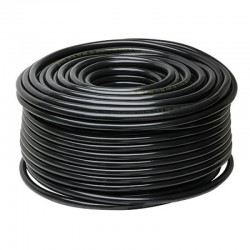
Electrical cable consists of one or more conductive wires surrounded by insulation designed to protect the conductors and provide electrical separation. In marine applications, cables are specifically selected to withstand demanding environmental conditions.
Marine electrical cable is commonly constructed using stranded copper conductors because stranded designs provide flexibility and are well suited to installations where vibration and movement are present. Protective insulation helps shield the conductor from moisture, abrasion, and other environmental factors.
Why Marine-Grade Cable Matters
Boats operate in environments where water, humidity, salt, vibration, and temperature changes can affect electrical components. Ordinary cable may not provide the level of protection required for marine installations.
Quality electrical cable intended for marine use can offer appropriate insulation, flexibility, and resistance to environmental exposure. Selecting cable designed for the intended application can help reduce the risk of connection problems and support consistent electrical performance.
Choosing the Correct Cable Size
One of the most important considerations when selecting electrical cable is conductor size. The correct size depends on factors such as the electrical load, circuit length, voltage, and installation conditions.
Using cable that is too small for a particular load can result in excessive voltage drop and unwanted heat. Choosing an appropriately sized cable helps ensure that equipment receives suitable power while supporting the efficiency of the overall system.
Boat owners should follow recognized marine electrical practices and manufacturer recommendations when determining cable requirements.
Flexibility and Durability
Marine wiring often needs to pass through confined spaces, around equipment, and through areas affected by vibration. Flexible electrical cable makes installation easier while helping accommodate normal movement.
Stranded conductors are particularly useful in these environments because they can bend repeatedly without the same limitations associated with rigid conductors. Durable insulation can further protect the cable from physical wear and environmental exposure.
Applications of Electrical Cable on Boats
Electrical cable is used throughout a vessel for many different systems. Common applications include:
- Navigation and communication equipment
- Interior and exterior lighting
- Bilge and freshwater pumps
- Battery and charging systems
- Engine instrumentation
- Control panels and switches
- Refrigeration and onboard appliances
- Entertainment and charging equipment
Each application has its own electrical requirements, so cable selection should always match the specific circuit and equipment.
Installation Best Practices
Proper installation is essential for dependable electrical performance. Cables should be routed carefully to avoid sharp edges, excessive heat, moving components, and areas where they could be damaged.
Connections should be properly secured and protected against moisture and corrosion. Appropriate terminals, connectors, heat-shrink products, and cable supports can help create a more durable installation.
Clearly labeling cables can also make future troubleshooting and maintenance easier.
Maintenance and Inspection
Regular inspection can help identify electrical cable problems before they become serious. Boat owners should look for damaged insulation, corrosion, loose connections, discoloration, or signs of overheating.
Paying particular attention to areas near batteries, engines, bilges, and exposed deck equipment can be useful because these locations may experience increased moisture, heat, or mechanical stress.
Replacing damaged cable promptly can help maintain the reliability of the electrical system.
Conclusion
Electrical cable is a fundamental component of every modern marine electrical system. From powering navigation equipment and lighting to supporting pumps, instruments, and onboard appliances, quality cable helps distribute electricity efficiently and reliably.
By selecting marine-grade cable with the correct size and construction, installing it carefully, and inspecting it regularly, boat owners can create a safer and more dependable electrical system. Investing in suitable electrical cable is a practical step toward maintaining efficient and trouble-free boating for many seasons.
