

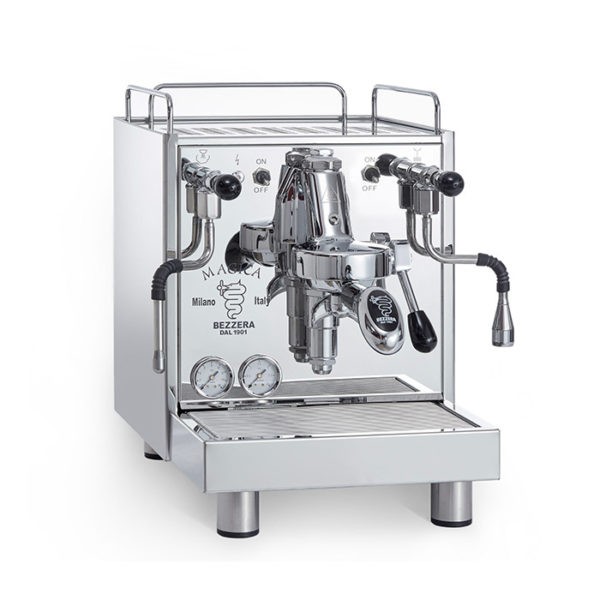
Prosumer equipment sits in the sweet spot between home convenience and commercial performance, and a Meraki machine is often the centrepiece of a thoughtful Meraki prosumer espresso setup. Meraki builds machines with the temperature stability, steam power, and build quality that serious home baristas want, without the complexity that makes commercial machines impractical at home. Designing such a setup is about balance: every component should match the others in quality, so no single weak link limits the coffee. With careful choices, a prosumer corner can produce shots that stand beside anything from a speciality cafe.
What Prosumer Really Means
The word prosumer describes gear made for enthusiasts rather than professionals, and a Meraki prosumer espresso setup captures that idea perfectly: commercial-grade parts, sized and priced for a home kitchen. Meraki machines typically offer a proper boiler or thermoblock system, a real portafilter, and steam strong enough for silky microfoam, all controlled through an interface a home user can master. The difference from entry-level machines shows in the cup: sweeter, clearer espresso with better texture and more consistent results from day to day. Prosumer is not about spending the most money; it is about buying components that respect the coffee.
Before choosing parts, define what you want the setup to do, because a Meraki prosumer espresso setup built for straight espresso differs from one built for milky drinks or entertaining guests. Meraki owners who drink mostly black coffee should prioritise temperature precision and a grinder with fine adjustment, while milk-drink lovers need steam capacity and a good pitcher range. Count your daily drinks, consider whether guests will use the machine, and decide how much bench space you can dedicate. Clear answers keep the project focused, prevent impulse purchases, and ensure every component earns its place on the counter.
Choose Components That Work Together
The grinder is the most important partner in the system, and a Meraki prosumer espresso setup deserves a grinder with stepless or micro-stepped adjustment, low retention, and a motor that handles light roasts without complaint. Meraki machines reveal exactly what the grinder is doing, so an uneven grind shows up immediately as channeling or a thin, unbalanced shot. Budget roughly as much care for the grinder as for the machine, choose burrs suited to your roast preference, and single-dose if you like switching beans. A great grinder transforms a good machine into a great system, and it is the upgrade experienced baristas recommend first.
Accessories complete the chain, and a Meraki prosumer espresso setup benefits from a level tamper, a distribution tool, a precision basket, and a scale that measures to a tenth of a gram. Meraki brewing is repeatable when dose and yield are weighed rather than guessed, and small tools remove the variables that make shots inconsistent. A bottomless portafilter is a wonderful learning aid, since it reveals channeling instantly, while a dosing funnel keeps the bench clean. Buy accessories gradually, learn each one properly, and let your technique, not your shopping list, drive the next purchase.
Water, Power, and Placement
Water quality quietly decides how good your espresso can taste, so a Meraki prosumer espresso setup should include filtered water with balanced mineral content, neither too hard nor stripped bare. Meraki boilers last longer and scale less when fed good water, and the coffee itself tastes sweeter and clearer. A simple in-tank filter or a jug filter is enough for most homes, but test your tap water first so you know what you are correcting. Keep a descaling schedule, note filter changes on the calendar, and remember that the best beans in the world cannot overcome poor water.
Placement and power deserve a practical check, because a Meraki prosumer espresso setup needs a stable bench, a dedicated outlet, and enough clearance to lift cups and pitchers comfortably. Meraki machines are heavier than entry-level models, so a sturdy counter matters, and ventilation around the machine protects both the electronics and your cabinetry. Allow space for the grinder, a knock box, and a tamping mat, and keep the whole station near the sink for easy rinsing. A station that is comfortable to stand at for ten minutes will be used far more than one that is cramped, however beautiful the equipment.
Refine Your Technique Over Time
A prosumer setup rewards patience, and a Meraki prosumer espresso setup improves with you as your palate and technique develop over months, not days. Meraki consistency means your experiments teach real lessons: change one variable at a time, taste carefully, and record dose, grind, and time for shots you love. Join an online community, watch a few technique videos, and occasionally brew alongside a more experienced friend. The learning curve is part of the pleasure, and the day your home shot finally beats your favourite cafe’s is a milestone worth celebrating.
Maintenance protects the investment, and a Meraki prosumer espresso setup stays at peak performance with backflushing, gasket checks, and descaling done on schedule. Meraki machines are serviceable and well supported, so parts and advice are easy to find when something eventually wears. Keep the group clean, purge the wand after every milk drink, and store the machine’s manual where you can reach it. Treat the setup as a long-term hobby rather than a one-time purchase, and it will repay you with thousands of excellent coffees, each one a little better than the last.
Ultimately, designing a prosumer corner is about creating a system where every part supports the others, and a Meraki prosumer espresso setup achieves that balance with room to grow. Meraki quality, a capable grinder, good water, and patient technique add up to coffee that rivals any cafe. Start with clear goals, choose components that match, and refine your skills steadily. The result is not just better espresso; it is a daily ritual that makes home feel like the best coffee shop you know.
