

Smart devices have become an essential part of modern life, transforming the way people communicate, work, and manage daily activities. From smartphones and smartwatches to home automation systems, these technologies offer convenience, efficiency, and real-time connectivity.
They help users access information instantly, control devices remotely, and improve productivity in both personal and professional spaces. As innovation continues to grow, smart devices are shaping a more connected and intelligent lifestyle, making everyday tasks simpler, faster, and more efficient.
Read More: Cloud Computing Explained: Benefits and Future Scope
Understanding Smart Devices
Smart devices refer to electronic tools with built-in connectivity, sensors, and computing power. These devices collect and exchange data to perform tasks with minimal human input. Common examples include smartphones, smartwatches,
Smart TVs, home automation systems, and AI-powered assistants. Their main purpose is simple: reduce effort, increase efficiency, and improve decision-making through real-time data.
Growth of Smart Technology in Daily Life
The adoption of smart devices has increased rapidly due to affordable internet access, advanced mobile technology, and user-friendly applications. People now rely on smart tools for communication, entertainment, health monitoring, and productivity.
Key factors driving growth include:
- Faster mobile networks
- Cloud-based services
- Artificial intelligence integration
- Affordable smart hardware
This combination has turned smart devices into essential daily companions.
Impact on Communication
Smart devices revolutionized communication by enabling instant messaging, video calls, and social connectivity across the globe. Smartphones and wearable devices allow users to stay connected anytime, anywhere.
Communication now feels faster, simpler, and more interactive. Businesses also benefit through real-time collaboration tools and remote working platforms.
Role in Smart Homes
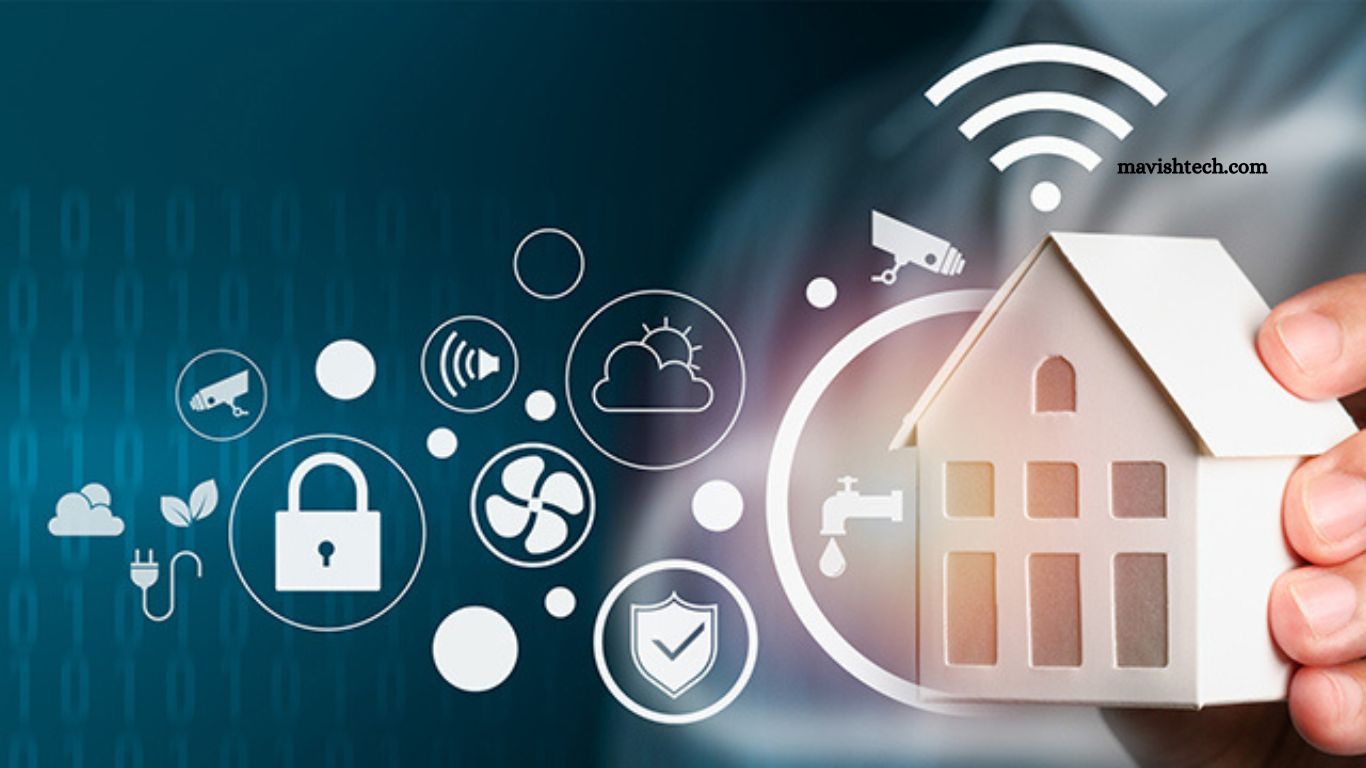
Smart home technology changes how people manage living spaces. Devices such as smart lights, thermostats, cameras, and voice-controlled systems provide automation and control from mobile applications.
Benefits include:
- Energy efficiency
- Enhanced security
- Remote access control
- Personalized home environments
These systems create more comfortable and efficient lifestyles.
Health and Fitness Monitoring
Wearable smart devices like fitness bands and smartwatches track heart rate, sleep patterns, steps, and overall activity levels. This data helps users maintain healthier lifestyles and set fitness goals.
Health tracking features encourage early awareness of potential issues and support preventive care habits.
Productivity and Work Efficiency
Smart devices significantly improve productivity. Laptops, tablets, and cloud-connected apps allow users to work from anywhere. Automation tools help manage schedules, tasks, and communication efficiently.
Remote work culture continues to grow due to these technological advancements, offering flexibility and time optimization.
Artificial Intelligence Integration
Artificial intelligence enhances smart devices by enabling voice recognition, predictive suggestions, and automated responses. Virtual assistants can manage tasks,
Answer queries and control connected devices through simple commands. This integration makes technology more intuitive and user-focused.
Challenges and Concerns
Despite advantages, smart devices present certain challenges:
- Data privacy risks
- Cybersecurity threats
- Over-dependence on technology
- Screen time concerns
Proper usage and security awareness help reduce these risks.
Future of Smart Devices
The future of smart devices points toward deeper automation, improved AI systems, and stronger connectivity through advanced networks. Devices will become more adaptive, learning user behavior to deliver personalized experiences.
Smart ecosystems will likely connect homes, transport, healthcare, and workplaces into unified digital environments.
Frequently Asked Questions
What are smart devices?
Smart devices are electronic gadgets with internet connectivity and built-in technology that perform tasks with minimal human input.
How do smart devices help in daily life?
They improve communication, save time, automate tasks, and increase convenience in home and work activities.
Are smart devices only smartphones?
No, smart devices include smartwatches, smart TVs, home assistants, fitness trackers, and smart home systems.
What is a smart home device?
It is a connected gadget like smart lights or thermostats that can be controlled remotely using apps or voice commands.
Do smart devices improve health monitoring?
Yes, wearable devices track steps, heart rate, sleep, and fitness activity for better health awareness.
What are the main risks of smart devices?
The main risks include data privacy issues, cybersecurity threats, and overuse of digital screens.
Conclusion
Smart devices continue reshaping daily life by increasing convenience, efficiency, and connectivity. As technology evolves, their role will expand further into every aspect of human activity. Understanding and adapting to this digital transformation helps individuals and businesses stay prepared for a smarter future.
