

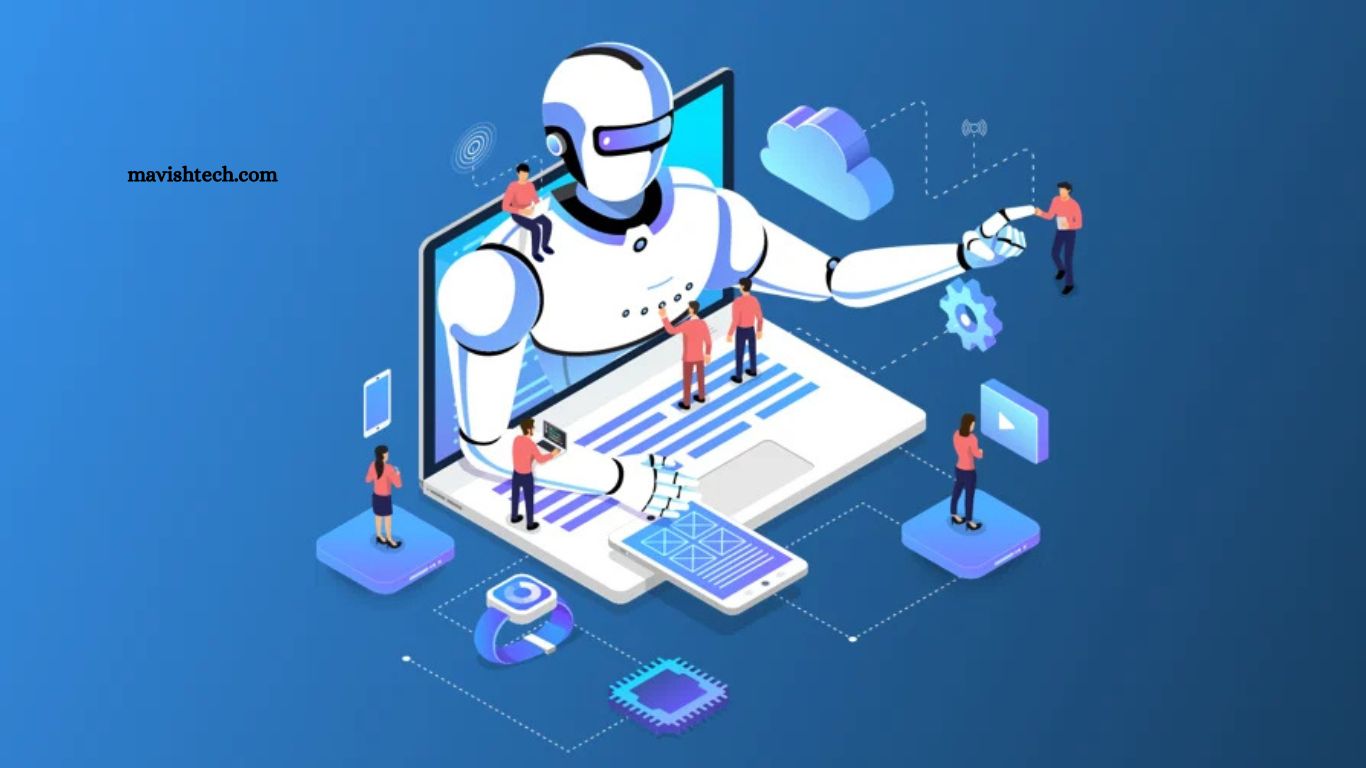
Artificial Intelligence continues reshaping modern life. Rapid progress across industries creates new opportunities, smarter systems, and powerful solutions. Businesses, governments,
Healthcare providers, educators, and consumers already experience benefits from AI-driven technologies. Future developments promise even greater transformation across society.
Read More: Best Tech Innovations You Need to Know Right Now
What Is Artificial Intelligence?
Artificial Intelligence refers to computer systems capable of performing tasks requiring human intelligence. These tasks include learning, problem-solving, and language understanding,
Image recognition and decision-making. Machine learning, deep learning, and automation represent major branches driving innovation across multiple sectors.
Future Growth of Artificial Intelligence
AI development continues accelerating worldwide. Researchers and technology companies invest heavily in advanced systems capable of improving productivity and solving complex challenges. Future AI applications may deliver faster medical diagnoses, efficient transportation networks, smarter cities, and personalized education experiences.
Several trends shape AI growth:
- Advanced machine learning models
- Increased automation across industries
- Expansion of robotics technology
- Smarter virtual assistants
- Improved cybersecurity solutions
- Enhanced data analysis capabilities
AI Impact on Healthcare
Healthcare stands among the major beneficiaries of artificial intelligence. AI-powered tools assist doctors through accurate diagnosis, predictive analytics, and personalized treatment plans. Robotic surgery, medical imaging analysis, and remote patient monitoring continue improving patient outcomes.
Benefits include:
- Faster disease detection
- Better treatment accuracy
- Reduced healthcare costs
- Enhanced patient care
- Increased research efficiency
AI Transformation Across Education
Education experiences significant changes through AI technologies. Intelligent learning platforms provide customized lessons based on student needs. Virtual tutors support learning while automated systems simplify administrative tasks.
Advantages include:
- Personalized learning experiences
- Better student engagement
- Improved accessibility
- Faster assessment processes
- Greater educational resources
Artificial Intelligence and Business Innovation
Businesses use AI for customer service, marketing, logistics, and data analysis. Intelligent systems help organizations understand consumer behavior and optimize operations. Automation increases productivity while reducing operational costs.
Key applications include:
- Chatbots for customer support
- Predictive analytics
- Supply chain optimization
- Fraud detection systems
- Marketing personalization
AI Influence on Employment
Artificial intelligence creates both opportunities and challenges within labor markets. Automation replaces repetitive tasks while generating demand for new skills and professions. Data scientists, AI engineers, cybersecurity specialists, and robotics experts represent growing career fields.
Future workforce success depends upon:
- Continuous learning
- Digital skills development
- Technical training
- Creativity and problem-solving abilities
- Adaptability toward technological change
Smart Cities and Transportation
AI technologies contribute toward safer transportation and smarter urban environments. Autonomous vehicles, intelligent traffic systems, and predictive maintenance improve efficiency and reduce congestion. Smart city initiatives support sustainable growth and better resource management.
Major benefits include:
- Reduced traffic delays
- Lower energy consumption
- Improved public safety
- Efficient infrastructure management
- Better environmental sustainability
Ethical Challenges Surrounding AI
Rapid AI advancement raises important ethical concerns. Privacy protection, transparency, bias prevention, and responsible development require careful attention. Governments and organizations continue creating regulations promoting safe and fair AI practices.
Important issues include:
- Data privacy protection
- Algorithm fairness
- Cybersecurity risks
- Human oversight
- Responsible innovation
AI and Global Economic Growth
Artificial intelligence contributes significantly toward economic development. Companies leverage AI solutions for innovation, productivity, and competitive advantages. Emerging markets also gain access through digital transformation initiatives.
Economic benefits include:
- Increased efficiency
- New business opportunities
- Higher productivity
- Enhanced innovation
- Stronger global competitiveness
Future Possibilities
Future AI systems may revolutionize nearly every aspect of human life. Smart homes, advanced robotics, personalized medicine, autonomous transportation, and sustainable energy management represent exciting possibilities.
Collaboration between humans and intelligent machines could unlock solutions for climate change, healthcare challenges, and scientific discoveries.
Frequently Asked Questions
What is the future of AI?
AI will continue improving industries through automation, innovation, and smarter solutions.
How does AI affect daily life?
AI enhances communication, healthcare, education, and digital services.
Which industries use AI the most?
Healthcare, finance, education, retail, and manufacturing widely use AI.
Will AI replace human jobs?
AI will automate some tasks while creating new career opportunities.
Why is AI important for businesses?
AI improves efficiency, customer experience, and decision-making.
What are the risks of AI?
Privacy concerns, security issues, and bias remain major challenges.
Conclusion
Artificial Intelligence represents one of humanity’s most powerful innovations. Continued progress promises remarkable improvements across healthcare, education, transportation, business, and economic development. Responsible implementation remains essential for maximizing benefits while addressing ethical concerns.
