

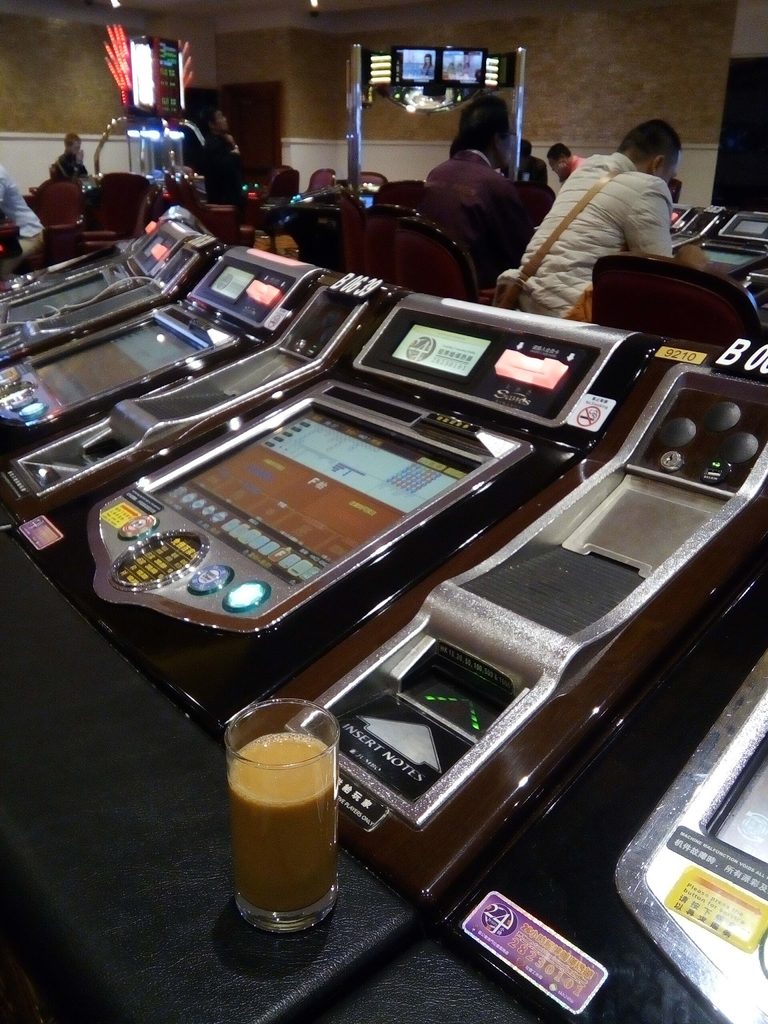
The size of a game library is the figure platforms love to advertise, but variety is the quality players actually feel. A thousand titles that are all minor variations of the same fruit machine are worth less than a few hundred that genuinely span mechanics, moods, and stakes. Browsing the catalogue at haywin is a useful exercise in that distinction, because the collection is arranged around three distinct families, spinning games, card and table classics, and live dealer rooms, each serving a different kind of session. This tour looks at what each family contains and how a player might rotate between them.
Variety matters for practical reasons, not just novelty. Games differ in pace, in how much attention they demand, and in how quickly they consume a bankroll. A library that supports switching, from a fast slot to a slow card table to a social live room, lets one account serve a quick ten-minute break and a long evening equally well. It also protects against staleness, the quiet reason many players abandon platforms whose lobbies they have memorised.
The Slot Collection: Themes, Mechanics and Range
Slots make up the bulk of the library, as they do everywhere, and the range is structured by mechanic more than by theme. Classic three-reel titles with a handful of lines sit at one end, preserving the simple rhythm of the original machines. The centre of the collection is five-reel video slots with bonus rounds, expanding wilds, and free spin features, dressed in themes from mythology and adventure to fishing, farming, and gemstones. At the far end are the high-variance feature machines: cascading reels that clear winning symbols and drop new ones, cluster pays systems that reward grouped symbols, and variable ways-to-win formats whose combinations run into the tens of thousands.
Progressive and high-prize titles form a visible sub-shelf of their own. The practical point for players is that stake ranges are wide within the category. Many titles accept very small bets, which makes them suitable for exploring unfamiliar mechanics cheaply, while the same catalogue scales up for players who prefer fewer, larger spins. Demo or fun modes, where offered, are the sensible entry point: five minutes of free play reveals a game’s tempo far more honestly than its description page.
Card and Table Classics
The table section covers the established canon: blackjack in several rule variants, roulette in European and other wheel formats, baccarat, and a spread of poker-based titles played against the house. The variants are where the interest lies. A blackjack table that allows surrender or pays differently on certain hands changes the strategy maths, while a single-zero roulette wheel is a materially cheaper game than its double-zero counterpart. Presenting these side by side, with rules accessible before joining, lets players choose the version whose terms they prefer rather than discovering them mid-hand.
Alongside the headline games sit the quieter specialities, sic bo, craps, and casual instant formats that bridge the gap between slots and tables. Players who know hay win mainly for one family often miss these entirely, which is a shame, because the speciality games include some of the most distinctive mechanics in the catalogue. A round of sic bo, driven by three dice and a sprawling betting layout, has a flavour nothing else reproduces, and its simplest bets carry odds comparable to the mainstream tables.
Inside the Live Casino Rooms
The live casino is the library’s third family and its most atmospheric. Real dealers run blackjack, roulette, baccarat, and game show formats from studios, streamed to the player’s screen with betting handled through an on-screen interface. Tables are tiered by stake, from low-limit rooms that welcome cautious beginners to high-limit salons where a single hand can exceed a casual player’s monthly budget. The social element is the real product: a dealer who greets regulars, a chat moving alongside the game, and the unhurried pace of a physical shoe being dealt. Sessions here consume a bankroll more slowly per hour than fast digital games, simply because the dealing takes time, which many players count as a feature rather than a drawback.
Game shows deserve a mention of their own within the live section. Built around spinning wheels, multiplier rounds, and presenters performing to camera, they borrow as much from television as from the casino floor. They are not for purists, but as light entertainment with a gambling component they have earned their audience, and their presence signals a library keeping pace with where the industry is moving.
Browsing, Filtering and Finding a New Favourite
A library of this size stands or falls by its discovery tools. Category tabs do the coarse sorting, but the features that actually surface new games are the provider filter, the new releases shelf, and the popularity rankings, which together answer the three questions players ask: what is fresh, who made it, and what is everyone playing. Search by name covers the player who arrives with a title in mind, and a favourites list, once populated, turns the catalogue into a personal shelf. The healthiest habit a library encourages is rotation: sampling one unfamiliar title per session costs little, keeps the hobby fresh, and occasionally uncovers the game that becomes a long-term favourite.
Stake flexibility runs across all three families and is worth noting for new arrivals. Table minimums in the digital section start low enough for learning a game’s rhythm with minimal exposure, and most slots accept bets measured in small coin units. That graduation matters: a library that can be explored cheaply is one whose variety a modest bankroll can actually sample, instead of admiring most of the catalogue from behind a minimum bet it cannot afford.
Judged as a whole, the library’s strength is balance rather than any single headline number. Slots supply speed and spectacle, the tables supply decision-making, and the live rooms supply occasion, and a player can move between those moods without leaving the account. That range, more than the raw count of titles, is what gives a catalogue staying power.
