

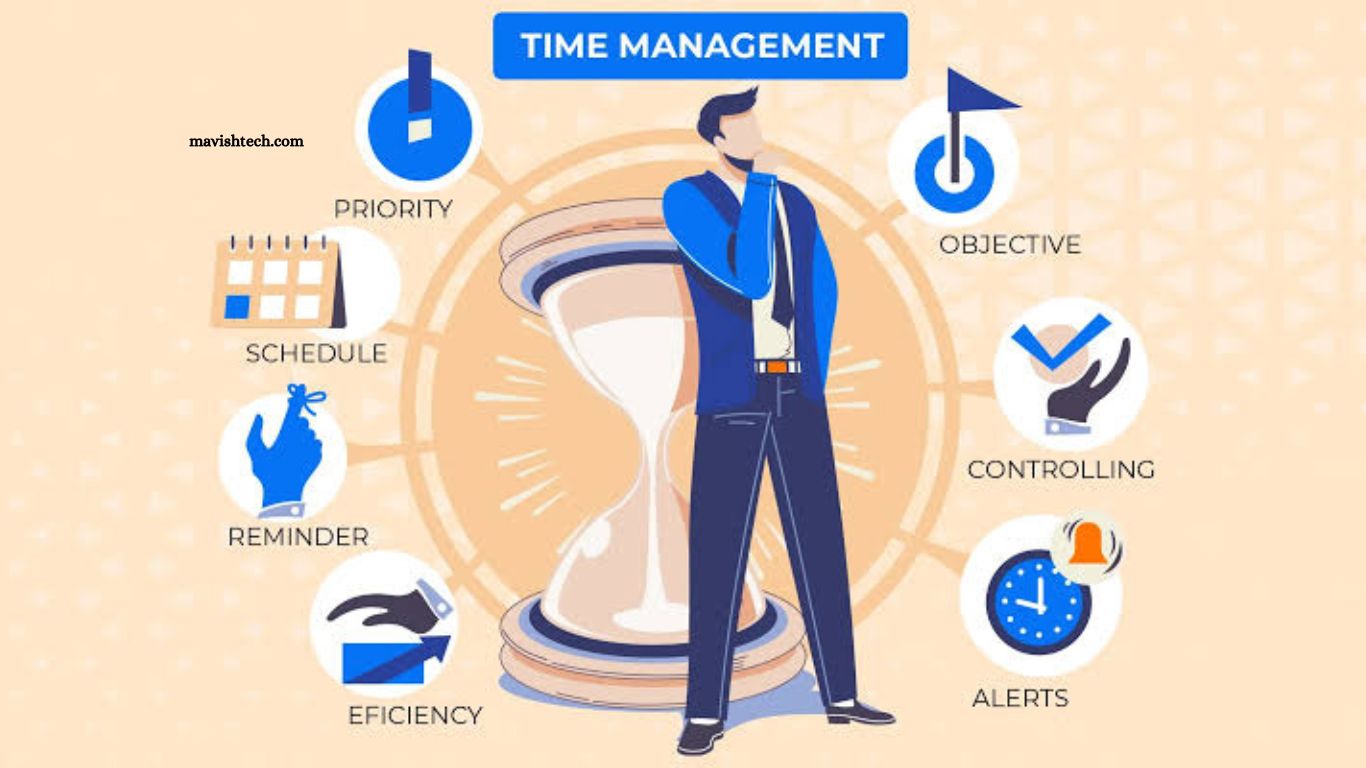
Time management plays an important role in achieving personal and professional success. Many people struggle with completing tasks on time because they focus on being busy rather than being productive. Learning effective time management techniques helps create balance, reduce stress, and improve overall performance.
Better time management does not require complicated systems. Small changes in daily habits, improved focus, and smart planning can transform the way you handle responsibilities. Understanding hidden tips and tricks can help you make every hour more valuable and achieve your goals with greater confidence.
Read More: Life-Changing Tips & Tricks Everyone Should Know
Understand the Value of Your Time
The first step toward better time management is recognizing the importance of time. Every person receives the same number of hours each day, but successful individuals use those hours with clear purpose. Knowing where your time goes allows you to identify activities that consume energy without providing meaningful results.
Tracking daily routines helps reveal patterns that affect productivity. When you understand your priorities, you can focus more attention on tasks that create progress instead of spending excessive time on unnecessary activities.
Create a Clear Vision for Your Goals
Effective time management begins with having clear goals. Without direction, daily tasks can become overwhelming and confusing. Setting realistic goals creates a roadmap that helps you organize your efforts and maintain motivation.
Breaking larger goals into smaller actions makes challenging projects easier to handle. A clear vision allows you to decide which tasks deserve immediate attention and which activities can wait.
Master the Power of Prioritization
One hidden secret of productive people is their ability to prioritize wisely. Completing every task is not always possible, but completing the most important tasks creates better results. Learning to separate urgent responsibilities from valuable activities improves efficiency.
Prioritization helps prevent wasted energy on minor tasks while important projects remain unfinished. Focusing on high-impact activities allows you to achieve more with less stress.
Avoid Multitasking for Better Results
Many people believe multitasking saves time, but it often reduces concentration and lowers work quality. Switching between multiple tasks forces the brain to adjust repeatedly, which can increase the time needed to complete work.
Developing the habit of focusing on one task at a time improves accuracy and productivity. Deep focus allows you to complete responsibilities faster while maintaining better quality.
Use Small Time Blocks Effectively
Managing time through focused work sessions can improve concentration and discipline. Short periods of dedicated attention help prevent distractions and make large projects feel more manageable.
Creating specific working periods encourages consistent progress. These focused moments allow your mind to stay engaged while giving you opportunities to rest and recharge between tasks.
Learn to Control Digital Distractions
Technology provides many benefits, but constant notifications and online distractions can reduce productivity. Social media, unnecessary messages, and frequent phone checking can silently consume valuable time.
Creating boundaries with digital devices helps protect your focus. Turning off unnecessary alerts and setting specific times for checking updates can improve concentration and create a healthier relationship with technology.
Develop Smart Planning Habits
Planning is one of the most powerful time management techniques. Preparing for upcoming tasks reduces confusion and creates a sense of control. A simple daily plan helps you understand what needs attention and keeps your workflow organized.
Reviewing progress regularly also improves decision-making. Adjusting plans when needed allows you to stay flexible while continuing to move toward your goals.
Understand the Importance of Rest
Effective time management is not only about working harder. Proper rest improves creativity, focus, and energy levels. Ignoring relaxation can lead to exhaustion and reduced productivity.
A balanced schedule includes time for personal activities, relaxation, and recovery. Maintaining healthy energy levels helps you perform better throughout the day.
Improve Your Ability to Say No
Learning to say no is a valuable time management skill. Accepting too many commitments can create unnecessary pressure and reduce your ability to focus on important priorities.
Protecting your time allows you to invest energy in activities that truly matter. Setting healthy boundaries creates more space for meaningful work and personal growth.
Frequently Asked Questions
What is the best way to improve time management?
Creating clear goals, prioritizing tasks, and reducing distractions can improve time management.
How can I avoid wasting time?
Identify distractions, plan your day, and focus on important activities.
Does multitasking save time?
No, focusing on one task often improves speed and work quality.
Why is planning important for time management?
Planning helps organize tasks, reduce stress, and increase productivity.
How can I stay focused while working?
Remove distractions, set work periods, and take short breaks.
Can rest improve productivity?
Yes, proper rest improves energy, focus, and overall performance.
Conclusion
Better time management comes from understanding your habits, improving focus, and making intentional choices. Hidden tips and tricks such as prioritizing tasks, controlling distractions, planning effectively, and protecting personal energy can create significant improvements in daily productivity. Successful time management is a continuous process that develops through practice and consistency.
