

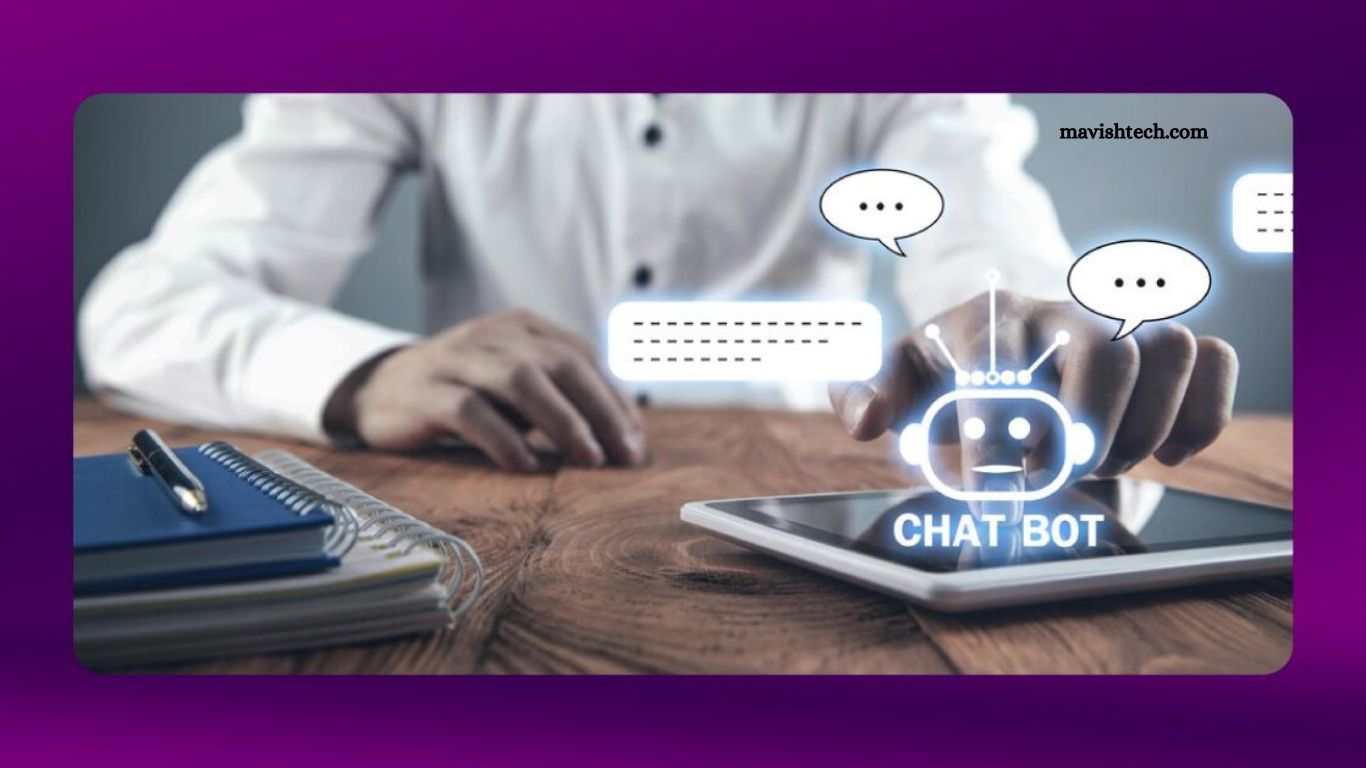
AI chatbots have transformed modern business communication. From customer support to lead generation, intelligent virtual assistants now drive efficiency, reduce costs, and improve user experience.
This comprehensive guide explains how businesses can strategically implement AI chatbots to maximize growth, productivity, and customer satisfaction.
Read More: Tutorial: Using Cloud Storage Effectively
What Are AI Chatbots?
AI chatbots are software applications powered by artificial intelligence that simulate human conversation. Advanced solutions leverage machine learning and natural language processing (NLP) to understand user intent and deliver relevant responses.
Popular platforms such as OpenAI, Google, and Microsoft continue advancing chatbot capabilities, making adoption easier for businesses of all sizes.
Benefits of AI Chatbots for Business
24/7 Customer Support
AI chatbots provide round-the-clock assistance without staffing limitations. Customers receive instant responses, improving satisfaction and retention.
Cost Efficiency
Automated responses reduce operational expenses associated with call centers and live chat agents.
Lead Generation
Chatbots collect visitor data, qualify prospects, and guide users through sales funnels.
Faster Response Time
Immediate replies reduce bounce rates and increase engagement.
Data Collection and Insights
Chatbots gather customer behavior data, enabling informed decision-making and targeted marketing.
Key Business Use Cases
Customer Service Automation
Resolve FAQs, order tracking, booking confirmations, and complaint handling automatically.
E-commerce Assistance
Provide product recommendations, cart reminders, and payment guidance.
Appointment Scheduling
Healthcare clinics, consultants, and service providers automate booking systems.
Internal Operations
HR departments use chatbots for onboarding, policy queries, and employee assistance.
How to Implement AI Chatbots in Business
Define Objectives
Identify clear goals such as reducing support tickets, increasing conversions, or improving engagement.
Choose the right platform
Select chatbot providers based on features, scalability, and integration capability.
Design Conversational Flow
Create structured dialogue paths focusing on clarity and simplicity.
Integrate with Existing Systems
Connect chatbot with CRM, helpdesk software, and e-commerce platforms.
Train and Optimize
Use real interaction data to refine responses and improve accuracy over time.
Best Practices for Successful Deployment
- Keep responses concise and natural
- Maintain brand voice consistency
- Offer a human handover option
- Continuously monitor performance
- Ensure data privacy compliance
Common Mistakes to Avoid
- Overcomplicated conversation trees
- Ignoring customer feedback
- Poor integration with backend systems
- Lack of testing before deployment
Measuring Chatbot Performance
Track key metrics such as:
- Customer satisfaction score (CSAT)
- First response time
- Conversion rate
- Engagement rate
- Ticket reduction percentage
Analytics dashboards from providers like IBM and Salesforce help monitor performance and optimize strategy.
Future of AI Chatbots in Business
AI chatbots will continue evolving with advanced language models, voice integration, and predictive personalization.
Businesses adopting AI automation early gain a competitive advantage through efficiency, scalability, and improved customer experience.
Frequently Asked Questions
Are AI chatbots suitable for small businesses?
Absolutely. Scalable solutions allow startups and small enterprises to automate support, reduce staffing costs, and compete with larger brands without heavy infrastructure investment.
Do AI chatbots replace human employees?
AI chatbots automate repetitive tasks, but human agents remain essential for complex issues, emotional intelligence, and strategic decision-making. Effective implementation focuses on collaboration between AI and human teams.
How secure are AI chatbots?
Security depends on provider, data handling policies, and encryption standards. Reputable technology companies like Microsoft implement enterprise-grade security frameworks to protect user data.
What industries benefit most from AI chatbots?
E-commerce, healthcare, finance, education, real estate, and SaaS companies experience significant benefits through automation, engagement, and operational efficiency.
How long does chatbot implementation take?
Basic chatbot deployment may take days. Advanced AI chatbot integration with CRM, ERP, and analytics systems may require several weeks depending on customization level.
How do businesses measure chatbot success?
Key performance indicators include response time, customer satisfaction score, lead conversion rate, ticket reduction rate, and engagement metrics.
Conclusion
AI chatbots represent a strategic investment for modern businesses. Proper planning, thoughtful implementation, and continuous optimization ensure maximum return on investment. Organizations leveraging AI-driven communication tools enhance customer satisfaction, streamline operations, and accelerate growth.
