

Cloud computing has become a cornerstone of modern technology, transforming how businesses and individuals access and use digital resources. Instead of relying on physical hardware and local servers, cloud computing delivers storage, applications, and computing power over the internet. This approach allows users to work from anywhere, scale resources instantly, and reduce IT costs significantly.
Whether running a small business, managing large data, or using everyday apps, cloud computing provides flexibility, efficiency, and security. Understanding cloud computing is essential for anyone navigating today’s digital world. This guide breaks down cloud computing in simple terms, explaining its types, benefits, and how it works, making the technology easy to grasp for everyone.
Read More: Top 10 AI Tools Transforming Business in 2026
What Is Cloud Computing?
Cloud computing is the delivery of computing services such as servers, storage, databases, networking, software, and analytics over the internet. These services replace traditional local servers and personal devices. Users can access resources on demand, paying only for what they use.
Key characteristics of cloud computing include:
- On-demand self-service: Users can access resources whenever needed without human intervention.
- Broad network access: Services are available through various devices, including laptops, smartphones, and tablets.
- Resource pooling: Providers share computing resources among multiple users, optimizing efficiency.
- Rapid elasticity: Cloud services can scale up or down quickly based on demand.
- Measured service: Usage is tracked and billed accurately, ensuring cost control.
Types of Cloud Computing
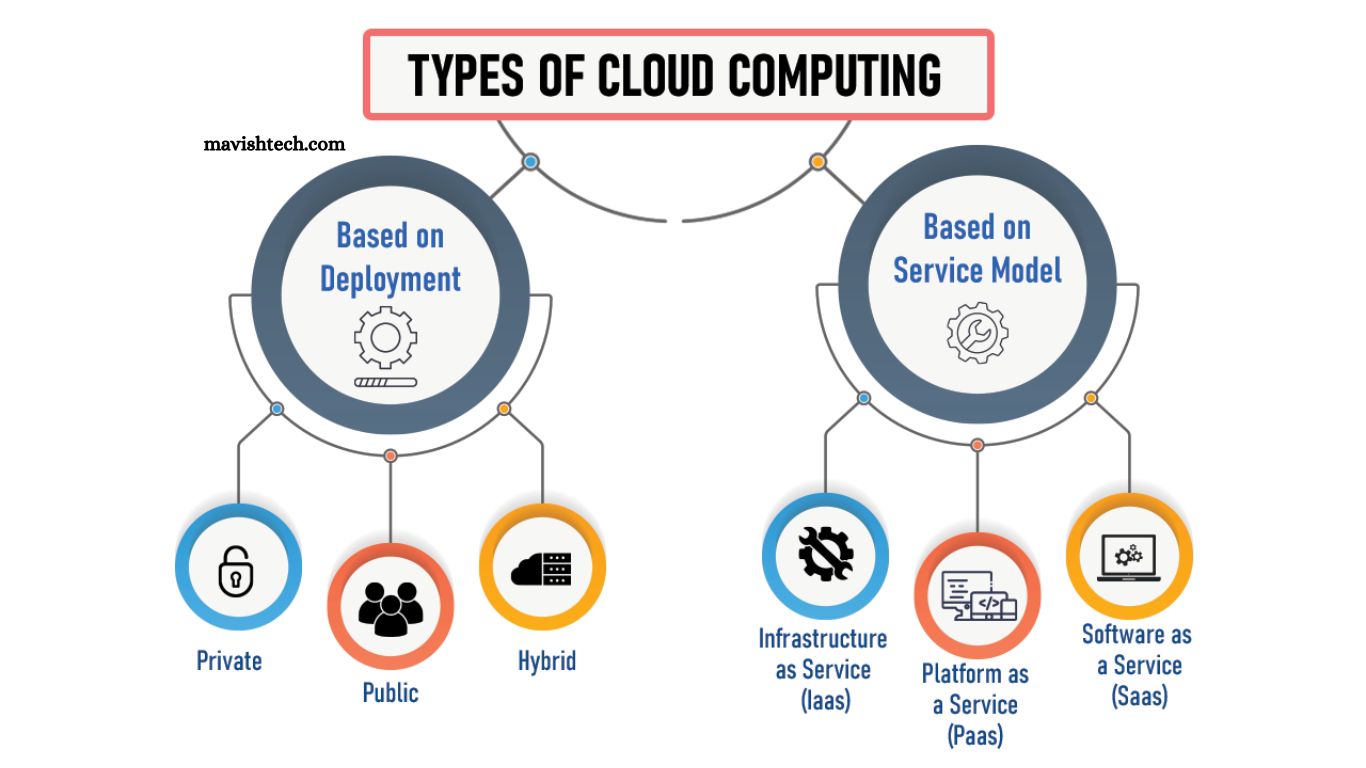
Cloud computing comes in three primary models:
- Infrastructure as a Service (IaaS): Provides virtualized computing resources like servers and storage. Users manage operating systems and applications while providers handle physical infrastructure. Examples include Amazon Web Services (AWS) and Microsoft Azure.
- Platform as a Service (PaaS): Offers platforms to develop, run, and manage applications without worrying about underlying infrastructure. Examples include Google App Engine and Heroku.
- Software as a Service (SaaS): Delivers software applications over the internet. Users access applications via web browsers, eliminating installation requirements. Popular examples include Google Workspace, Salesforce, and Zoom.
Benefits of Cloud Computing
Cloud computing brings several advantages to businesses and individuals:
- Cost efficiency: Reduces the need for physical hardware and maintenance costs.
- Flexibility: Users can scale resources up or down based on demand.
- Accessibility: Access services from anywhere with an internet connection.
- Security: Leading cloud providers implement advanced security measures to protect data.
- Disaster recovery: Cloud solutions simplify backup and recovery processes, minimizing downtime.
How Cloud Computing Works
Cloud computing relies on a network of servers housed in data centers worldwide. These servers store data and run applications. Users access these resources through internet connections. Data and applications are managed by cloud providers, allowing businesses to focus on growth rather than IT infrastructure.
Cloud Computing Trends
The cloud continues to evolve with technologies like artificial intelligence, machine learning, and edge computing. Businesses adopt hybrid cloud solutions combining private and public clouds to maximize efficiency, security, and performance.
Frequently Asked Questions
What is cloud computing?
Cloud computing delivers computing resources like storage, servers, and software over the internet, eliminating the need for local hardware.
How does cloud computing work?
Data and applications are hosted on remote servers. Users access them via the internet, while providers manage infrastructure and security.
What are the types of cloud computing?
Main types include IaaS (Infrastructure as a Service), PaaS (Platform as a Service), and SaaS (Software as a Service).
What are the benefits of cloud computing?
Cloud computing provides cost efficiency, flexibility, accessibility, security, and easier disaster recovery.
Is cloud computing secure?
Yes. Leading providers use encryption, firewalls, and advanced security measures to protect data.
Who uses cloud computing?
Businesses, developers, and individuals use cloud computing for software, storage, data analysis, and application hosting.
Conclusion
Cloud computing simplifies access to technology, reduces costs, and enhances flexibility. Understanding cloud computing is essential for businesses aiming to stay competitive and for individuals seeking modern digital solutions. Adopting cloud services empowers users to focus on innovation, leaving infrastructure management to trusted providers.
