

Introduction
Electrical faults can develop gradually or appear without warning. A circuit breaker may begin tripping repeatedly, lights may flicker intermittently, or a socket may stop working despite appearing undamaged.
Although these symptoms can be inconvenient, they may also indicate problems within the electrical installation that require professional investigation.
For homeowners and businesses, understanding the role of electrical testing and fault finding can help prevent guesswork, support timely repairs and maintain safer electrical systems.
Recognising the Early Signs of Electrical Problems
Electrical faults do not always cause an immediate loss of power.
Sometimes the first indication is an occasional interruption that appears to resolve itself. A breaker may trip only when several appliances are operating, or a lighting circuit may behave inconsistently.
Other warning signs include unusual buzzing, burning smells, discoloured accessories and visible damage to cables or sockets.
These symptoms should not be dismissed simply because the installation continues to function.
Repeatedly resetting a protective device without investigating why it has operated can leave the underlying problem unresolved. Similarly, replacing an accessory without identifying the cause of a fault may not address the wider issue.
Where a burning smell, visible arcing or another indication of immediate danger is present, people should keep away from the affected equipment and seek appropriate assistance.
Electrical faults should be investigated by a competent professional.
Understanding the Difference Between Testing and Fault Finding
Electrical testing and fault finding are related, but they serve different purposes.
An electrical condition inspection assesses the installation’s condition within an agreed scope and identifies defects or deficiencies.
Fault finding focuses on investigating a particular problem, such as a circuit that repeatedly trips, a socket that has stopped working or equipment that loses power unexpectedly.
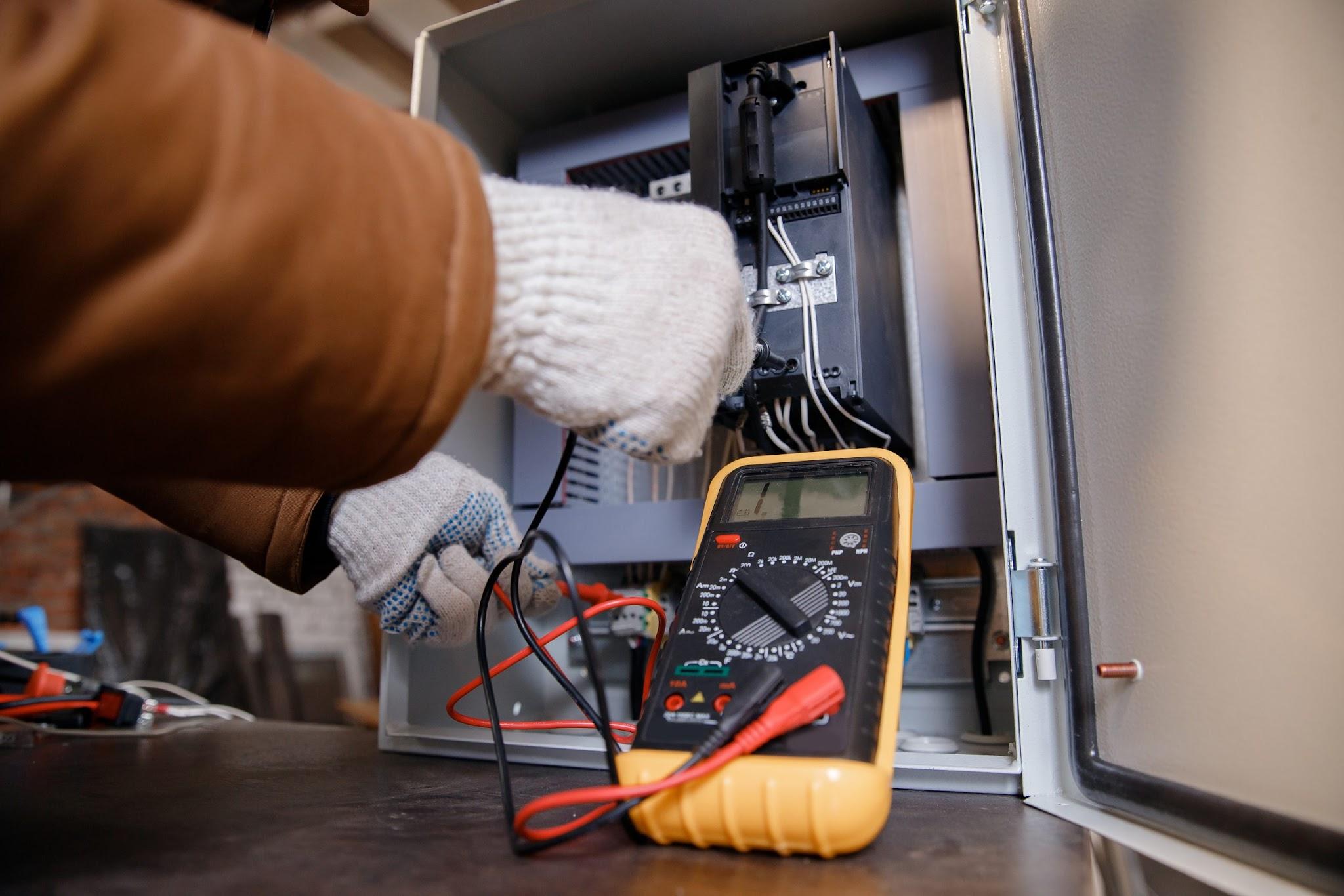
Depending on the circumstances, a contractor may use several diagnostic methods to determine the likely cause.
The investigation may reveal a damaged cable, a defective accessory, an equipment fault or an issue with circuit protection. Other situations may require more extensive examination.
Testing can also be part of the process of verifying that a repair has been completed correctly.
Understanding the difference helps property owners request the appropriate service rather than assuming that every electrical issue requires the same type of inspection.
Why Electrical Faults Should Be Investigated Properly
Electrical installations contain interconnected components, and a visible symptom does not always identify the source of the problem.
For example, a circuit breaker that trips repeatedly may be responding to an overload, a short circuit or another electrical fault. The appropriate solution depends on the cause.
Simply replacing the breaker without investigating the underlying issue could leave the installation vulnerable to further problems.
Likewise, a flickering light may be associated with a faulty lamp, a poor connection or another issue requiring professional assessment.
A competent electrician can investigate the symptoms, carry out appropriate tests and recommend corrective action based on the findings.
This approach is more reliable than making assumptions or attempting improvised repairs.
How Routine Testing Can Help Identify Deterioration
Some electrical problems develop as components age or become damaged.
Insulation may deteriorate, connections may loosen, accessories may become worn and environmental conditions may affect equipment.
These changes are not always obvious during ordinary use. Appropriate electrical testing can help identify certain defects and provide information about the condition of the installation.
An Electrical Installation Condition Report is one method of assessing an existing installation. The inspection may identify concerns involving fixed wiring, protective measures, distribution equipment and other relevant components.
The findings can help property owners decide whether remedial work or further investigation is required.
However, a condition report is not a substitute for investigating an active fault. If a circuit is behaving abnormally, the specific problem should be assessed rather than waiting for a routine inspection.
Electrical Faults in Commercial Premises
Electrical faults can have consequences beyond the immediate repair.
A business may depend on powered equipment for manufacturing, food storage, customer transactions, security or communications. If an important circuit fails, operations may be interrupted until the problem is resolved.
Commercial property managers should therefore establish sensible procedures for reporting electrical faults and arranging professional assistance.
Employees should know how to report warning signs and should not attempt unauthorised electrical repairs.
Where a fault affects essential equipment, the business may need to consider operational arrangements while the problem is investigated.
Planned maintenance and appropriate testing can also help identify certain issues before they lead to more disruptive failures.
For businesses seeking Electrical Testing Telford, a qualified electrical contractor can discuss the difference between condition inspections, diagnostic work and any remedial measures that may be required.
The Value of Keeping Electrical Records
Maintaining records can help property owners identify recurring problems and understand the history of their installations.
Useful documentation may include previous inspection reports, electrical certificates, details of completed repairs and records of alterations.
When a fault occurs, this information can help the electrician understand which parts of the installation have previously been inspected or modified.
For commercial properties, organised records can also support maintenance planning and help managers track outstanding recommendations.
Records should be kept up to date whenever significant electrical work is completed.
Although documentation cannot replace physical inspection, it provides useful context for future assessments and repairs.
Choosing Professional Fault-Finding and Testing Services
Electrical investigations require appropriate technical knowledge and suitable equipment.
When selecting a contractor, property owners should consider qualifications, relevant experience, insurance and professional accreditation.
They should also explain the symptoms clearly, including when the problem occurs and whether any changes have recently been made to the installation.
This information can help the electrician plan the investigation, although the cause should be established through appropriate assessment rather than assumptions.
Severn Volts Limited provides electrical testing, inspection and fault-finding services for domestic, commercial and industrial customers.
Those looking for Electrical Testing Shropshire can explore the company’s services and discuss their installation, testing or diagnostic requirements.
Where remedial work is necessary, the contractor can explain the recommended action and the relevant considerations before the work proceeds.
What Happens After a Fault Is Repaired?
Completing a repair should include appropriate checks to confirm that the underlying problem has been addressed.
The extent of the checks depends on the nature of the fault and the work undertaken. In some cases, the electrician may need to test the affected circuit or verify relevant protective measures.
If the investigation identifies wider deterioration or other defects, additional remedial work may be recommended.
Property owners should ask for an explanation of the findings and retain relevant records of the repair.
If the same problem returns, it should be reported rather than repeatedly managed through temporary measures.
Take a Proactive Approach to Electrical Reliability
Electrical faults can be disruptive, but early investigation and appropriate testing can help property owners understand what is happening within their installations.
Recognising warning signs, arranging competent assessment and maintaining accurate records all contribute to more effective electrical maintenance.
Whether dealing with a domestic circuit or a commercial installation, the priority should be to identify the cause of the problem and address it safely.
With professional electrical testing and fault-finding support, property owners can make better-informed decisions, respond to defects appropriately and maintain greater confidence in the systems they depend on every day.
