

Cloud computing has become one of the most important technologies in the modern digital era. It has transformed how businesses store data, run applications, and deliver services. From small startups to global enterprises,
Cloud solutions provide flexibility, speed, and cost efficiency that traditional computing cannot match. This article explains cloud computing simply and professionally, highlighting its key benefits and future scope.
Read More: How Automation Is Reshaping the Modern Workplace
What is Cloud Computing?
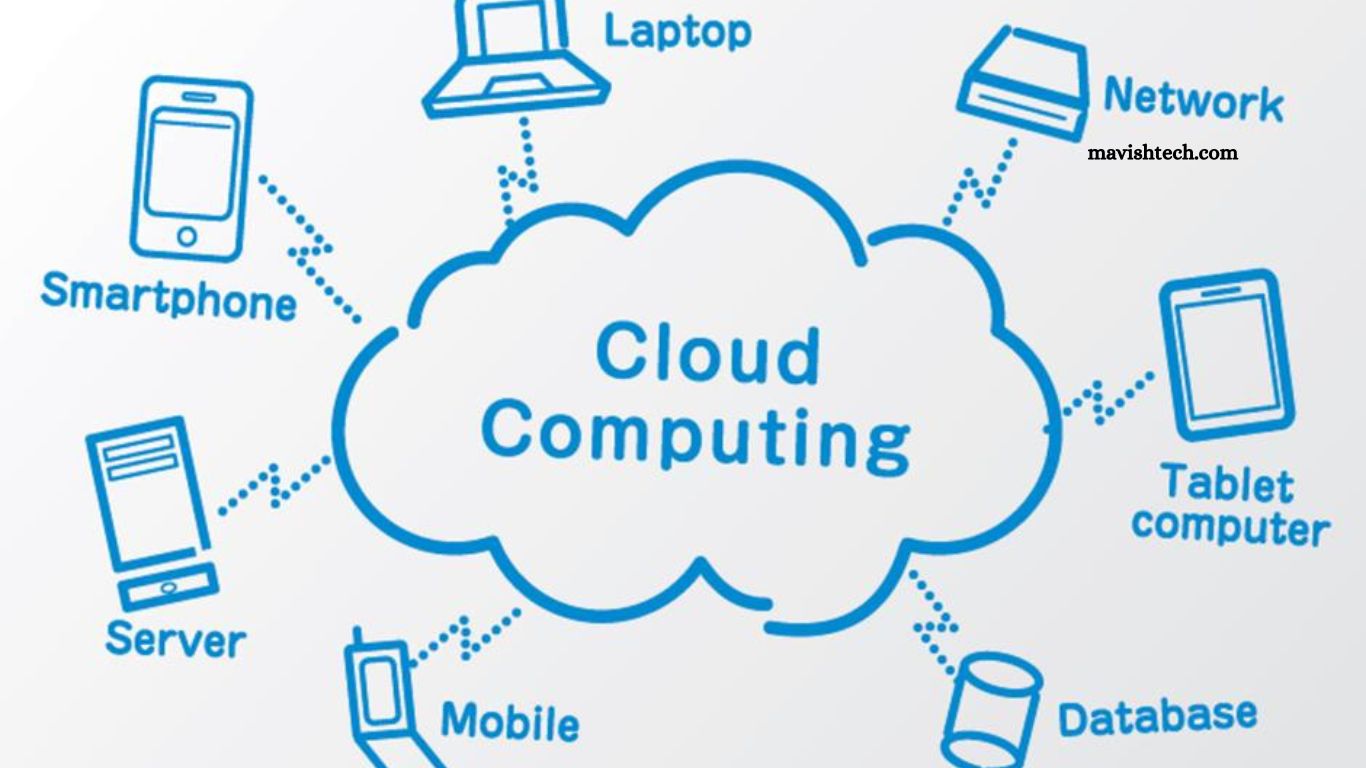
Cloud computing refers to the delivery of computing services such as servers, storage, databases, networking, software, and analytics over the internet. Instead of owning physical hardware or local servers, users access these resources on-demand through cloud service providers.
In simple terms, cloud computing means storing and accessing data and programs over the internet instead of on your computer’s hard drive.
Major cloud service models include:
- Infrastructure as a Service (IaaS)
- Platform as a Service (PaaS)
- Software as a Service (SaaS)
These models allow businesses to choose the level of control and management they need.
Key Benefits of Cloud Computing
Cloud computing offers multiple advantages that make it a preferred choice for modern organizations.
Cost Efficiency
Cloud services reduce the need for expensive hardware and maintenance. Businesses only pay for what they use, which helps in optimizing IT budgets.
Scalability and Flexibility
Cloud platforms allow users to scale resources up or down based on demand. This flexibility supports business growth without infrastructure limitations.
Remote Accessibility
Data and applications can be accessed from anywhere with an internet connection. This enables remote work and improves collaboration among teams.
Data Security
Leading cloud providers implement advanced security measures such as encryption, firewalls, and multi-factor authentication to protect sensitive data.
Automatic Updates
Cloud systems are regularly updated by providers, ensuring users always have access to the latest features and security patches.
Disaster Recovery
Cloud computing offers reliable backup and recovery solutions, reducing the risk of data loss during system failures or cyber incidents.
Challenges of Cloud Computing
While cloud computing provides many benefits, it also comes with certain challenges:
- Dependence on internet connectivity
- Potential data privacy concerns
- Limited control over infrastructure
- Possible downtime from service providers
Despite these challenges, advancements in technology continue to improve reliability and security.
Future Scope of Cloud Computing
The future of cloud computing looks highly promising as digital transformation continues to grow across industries.
Growth of Artificial Intelligence and Machine Learning
Cloud platforms will increasingly support AI and ML tools, enabling smarter data analysis and automation.
Expansion of Hybrid and Multi-Cloud Systems
Organizations will adopt hybrid and multi-cloud strategies to improve performance, security, and flexibility.
Rise of Edge Computing
Edge computing will work alongside cloud systems to process data closer to the source, reducing latency and improving speed.
Increased Use in IoT
With the growth of Internet of Things (IoT) devices, cloud computing will play a central role in managing and processing large volumes of data.
Stronger Focus on Security
Future cloud systems will include more advanced cybersecurity features to protect against evolving cyber threats.
Frequently Asked Questions
What is cloud computing?
Cloud computing is the delivery of computing services like storage, software, and servers over the internet instead of local devices.
What are the main types of cloud computing?
The main types are IaaS (Infrastructure), PaaS (Platform), and SaaS (Software).
Why is cloud computing important?
It helps reduce costs, improves flexibility, and allows access to data from anywhere.
Is cloud computing secure?
Yes, most cloud providers use strong security measures like encryption and authentication.
What are the benefits of cloud computing?
Key benefits include scalability, cost savings, remote access, and reliable data backup.
What is the future of cloud computing?
Its future includes AI integration, edge computing, IoT growth, and stronger security systems.
Conclusion
Cloud computing has revolutionized the way technology is used in everyday life and business operations. It provides cost savings, scalability, and accessibility while supporting innovation across industries. With continuous advancements in AI, IoT, and cybersecurity, cloud computing will remain a core foundation of the digital future.
