

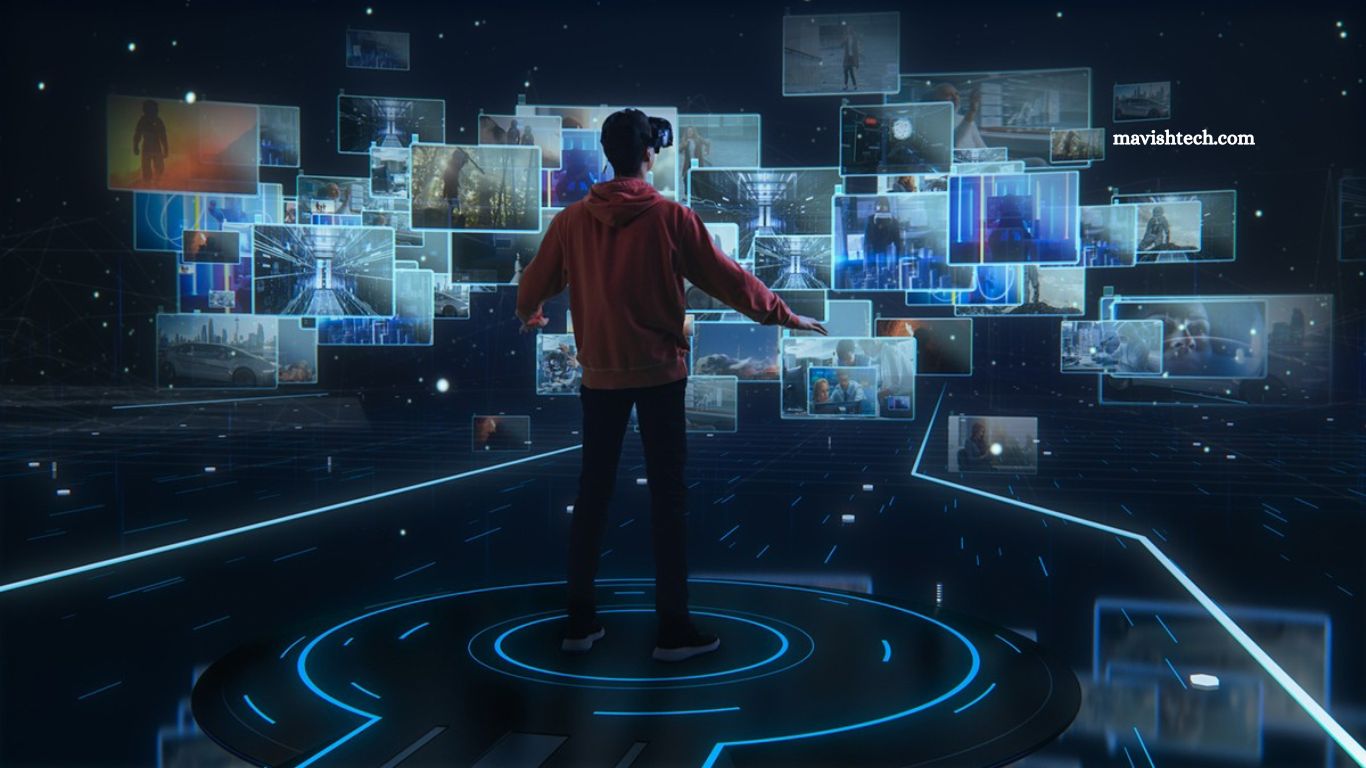
Emerging technologies redefine modern digital landscapes. Virtual Reality, Augmented Reality, Internet of Things lead transformation across industries, education health carea , manufacturing, anding, and retail. VR delivers immersive environments supporting training, design, and entertainment. AR enhances real-world interaction through digital overlays, improving engagement, productivity,ty decision making. IoT connects devices, sensors, and systems, enabling real-time data exchang,e automati, andon intelligence. Together, these technologies create smarter ecosystem,s personalized experienc, andes operational efficiency.
Businesses adopt VR, A, andR IoT to innovate faster, reduce cost, ands improve customer satisfaction. Advancements in artificial intelligence, cloud computin, andg 5G accelerate adoption and scalability. Understanding these emerging technologies helps organizations’ professionalsand students prepare for future opportunities, competitive growt, andh digital evolution worldwide. Strategic awareness ensures long-term relevance, resilienc,e leadersh,ip innovat,ion sustainabi,lity success globally across diverse ma,rkets eco,nomies industries, and sectors.
Read More: Best Productivity Apps for Windows & Mac
Virtual Reality (VR): Immersive Digital Experiences
Virtual Reality creates fully immersive environments through computer-generated simulations. Users interact with digital spaces using headsets, controllers, and motion sensors.
Key Applications of VR
- Gaming and entertainment experiences
- Virtual training and simulations
- Healthcare therapy and medical education
- Real estate virtual property tours
- Remote collaboration and design reviews
VR improves learning outcomes, reduces training costs, and enhances engagement. Businesses adopt VR to provide risk-free simulations and realistic practice environments.
Augmented Reality (AR): Enhancing Real-World Interaction
Augmented Reality overlays digital content onto real environments. Unlike VR, AR does not replace reality. It enhances perception through smartphones, tablets, or smart glasses.
Major Uses of AR
- Retail product visualization
- Interactive marketing campaigns
- Navigation and mapping solutions
- Manufacturing maintenance guidance
- Educational learning tools
AR boosts customer engagement and improves decision-making. Brands use AR to offer try-before-buy experiences, increasing conversion rates and customer trust.
Internet of Things (IoT): Smart Connected Systems
Internet of Things connects physical devices through sensors, software, and network connectivity. These devices collect, share, and analyze data in real time.
Common IoT Applications
- Smart homes and automation systems
- Wearable health monitoring devices
- Industrial equipment monitoring
- Smart cities infrastructure
- Supply chain optimization
IoT enhances efficiency, reduces operational costs, and enables predictive maintenance. Businesses gain actionable insights through continuous data flow.
How VR, AR, and IoT Work Together
Combined use of VR, AR, and IoT creates powerful digital ecosystems. IoT supplies real-time data, AR visualizes insights, and VR simulates scenarios for analysis and planning.
Integrated Benefits
- Better decision support systems
- Improved user experience
- Faster problem resolution
- Data-driven strategy development
Industries like healthcare, manufacturing, retail, and education benefit most from integrated technology adoption.
Business Impact of Emerging Technologies
Organizations adopting VR, AR, and IoT gain a competitive advantage. These technologies improve productivity, customer engagement, and innovation capability.
Key Business Advantages
- Enhanced operational efficiency
- Reduced human error
- Personalized customer experiences
- Scalable digital transformation
Early adoption positions businesses for future growth and market leadership.
Future Outlook
VR, AR, and IoT continue rapid evolution. Advancements in AI, 5G, and cloud computing accelerate adoption. Market demand increases across sectors, creating new career opportunities and business models. Investment in emerging technologies ensures long-term relevance inthe digital economy.
Frequently Asked Questions
What are emerging technologies?
Emerging technologies refer to advanced digital innovations that change how people work, communicate, and interact with systems. VR, AR, and IoT represent major examples shaping modern industries.
What is Virtual Reality (VR)?
Virtual Reality creates immersive digital environments. Users experience simulated worlds using VR headsets and motion tracking devices.
What is Augmented Reality (AR)?
Augmented Reality enhances real environments by adding digital elements such as images, data, or animations through mobile devices or smart glasses.
What is the Internet of Things (IoT)?
Internet of Things connects physical devices through internet networks. These devices collect data, communicate, and perform automated actions.
How do VR and AR differ?
VR replaces real surroundings with virtual environments. AR overlays digital content onto real-world views without removing physical surroundings.
What industries use VR, AR, and IoT?
Healthcare, education, retail, manufacturing, gaming, real estate, logistics, and smart cities widely use these technologies.
Conclusion
Emerging technologies, VR, AR, and IoT, redefinethe interaction between humans and digital systems. These innovations transform industries, enhance experiences, and unlock new value. Organizations embracing these technologies today prepare for a smarter, connected future.
